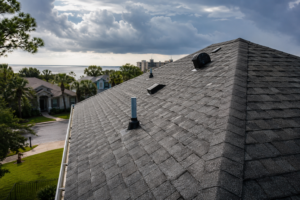
Long Beach homeowners know that coastal weather can change quickly. Wind, heavy rain, storm surge concerns, flying debris, humidity, and repeated summer storms can all put pressure on a roof. By the time peak hurricane season arrives, small roof problems can turn into expensive water damage if they are ignored.
Pro-Shield Roofing & Construction helps homeowners and property owners across Madison, Ridgeland, Gulf Coast Mississippi, Hattiesburg, Central Mississippi, Long Beach, and surrounding Mississippi communities with roof inspections, roof repair, roof replacement, reroofing, roof installations, gutter installation, siding services, and exterior repair support.
If your roof has missing shingles, lifted edges, clogged gutters, flashing concerns, attic moisture, or damage from recent storms, now is the time to schedule a Long Beach roof inspection before hurricane season. You can also call (601) 265-4992 or request service through Get A Free Estimate.
How Can Long Beach Homeowners Prepare a Roof for Peak Hurricane Season?
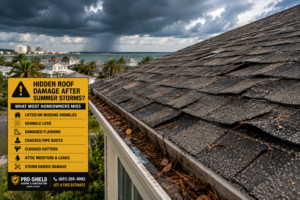
Long Beach homeowners can prepare their roofs for peak hurricane season by checking for missing shingles, lifted shingles, loose flashing, clogged gutters, damaged vents, weak roof edges, attic moisture, ceiling stains, and debris near the roofline. A professional roof inspection before severe weather can help identify storm damage, drainage issues, and vulnerable areas before hurricane winds and heavy rain make the problem worse.
Why Peak Hurricane Season Matters for Long Beach Roofs
Peak hurricane season is not just about one major storm. It is also about repeated rain, wind, humidity, and smaller storm systems that can weaken roofing materials over time. A roof may look fine from the ground, but small issues can become serious when exposed to hurricane conditions.
Long Beach homes near the Gulf Coast can face strong wind gusts, wind-driven rain, tree debris, salt air exposure, and drainage stress. These conditions can affect shingles, flashing, vents, gutters, soffits, fascia, siding, and attic areas.
Wind pressure: Strong gusts can lift shingles, weaken seals, and expose vulnerable areas.
Heavy rain: Long periods of rain can reveal leaks around flashing, vents, valleys, and roof edges.
Flying debris: Branches and storm debris can damage shingles, gutters, vents, and siding.
Coastal humidity: Moisture can make roof stains, algae, attic moisture, and ventilation issues worse.
1. Check for Missing or Lifted Shingles
Missing and lifted shingles are two of the most important warning signs before hurricane season. A shingle does not need to be completely gone to create risk. Sometimes wind lifts the shingle tab, weakens the seal, and lets it settle back down in a damaged position.
From the ground, homeowners may notice uneven shingle rows, raised edges, dark exposed patches, curled corners, or shingles in the yard after a storm. These signs should be inspected before peak storm activity arrives.
Missing shingles: Exposed areas may allow water to reach the roof system.
Lifted tabs: Raised shingles may be more vulnerable during the next wind event.
Curling edges: Curling can indicate age, heat stress, or weakened materials.
Loose shingles after storms: This may point to wind damage or installation concerns.
2. Look for Granule Loss Near Gutters and Downspouts
Asphalt shingles rely on protective granules. When granules begin washing away heavily, shingles may become more vulnerable to sun, heat, rain, and storm impact.
Long Beach homeowners may notice dark sandy material near downspouts, splash blocks, patios, driveways, or gutter discharge areas. Some granule loss is normal over time, but sudden or heavy granule buildup after storms should be checked.
Dark sandy buildup: Granules near downspouts can indicate shingle wear.
Bald shingle areas: Missing granules can expose the shingle surface.
Storm-related loss: Hail, debris, and heavy rain can loosen granules.
Older roof concerns: Heavy granule loss may mean the roof is nearing replacement planning.
3. Clean and Inspect Gutters Before Heavy Rain
Gutters are part of the roof’s storm defense system. When gutters are clogged, sagging, or pulling away, water may back up near shingles, fascia, soffits, siding, and the foundation.
During hurricane season, drainage matters. Heavy rain needs a clear path away from the roof and home. Clogged gutters can make water problems worse, especially if the roof already has weak edges or damaged fascia.
Clogged gutters: Leaves, pine needles, and debris can block water flow.
Sagging sections: Gutters pulling away may not drain correctly.
Overflow stains: Stains below gutters can show repeated water spillover.
Loose downspouts: Poor discharge can send water toward the home instead of away from it.
4. Review Flashing Around Chimneys, Walls, and Vents
Flashing is one of the most common places roof leaks begin. It helps move water away from transitions such as chimneys, walls, valleys, vents, skylights, and roof edges.
If flashing is loose, cracked, rusted, storm-damaged, or poorly sealed, wind-driven rain can find a path into the roof system. During hurricane season, these weak points can become active leaks quickly.
Chimney flashing: Gaps or cracked sealant can allow water entry.
Wall flashing: Roof-to-wall areas must direct water away properly.
Vent flashing: Damaged vent boots or seals can leak during heavy rain.
Valley flashing: Roof valleys carry heavy water flow and should be clear and secure.
5. Check Roof Vents, Pipe Boots, and Roof Penetrations
Roof vents, pipe boots, and other penetrations are small details, but they matter during storms. Rubber boots can crack, metal vents can loosen, and seals can fail over time.
Long Beach homeowners should watch for damaged vent covers, cracked pipe boots, loose materials, rust, or signs of moisture around attic ventilation areas. A professional inspection can check these areas closely without homeowners needing to climb onto the roof.
6. Look Inside the Attic for Moisture Warning Signs
Some hurricane-related roof problems show up inside the attic before they appear in living areas. If the attic is safe to access, homeowners can look for damp insulation, dark roof decking stains, rusted nails, musty odors, or daylight entering through roof boards.
Attic signs may point to leaks, condensation, ventilation issues, or storm damage. These should be addressed before heavy seasonal rain makes the issue worse.
Damp insulation: Wet or compressed insulation may show water entry.
Dark decking stains: Staining can point to past or active moisture movement.
Rusted nails: Rust can suggest repeated condensation or humidity exposure.
Musty odors: Odors may indicate trapped moisture or poor ventilation.
7. Trim Tree Branches Near the Roofline
Tree branches can become dangerous during hurricane season. Branches that hang over the roof may scrape shingles, drop leaves into gutters, or break during strong wind.
Mature trees are common in many Gulf Coast neighborhoods, but branches should not rest directly on shingles or block roof drainage. Tree debris can also hide damaged areas and contribute to clogged gutters.
Overhanging limbs: Branches can fall or scrape shingles during storms.
Leaf buildup: Leaves can collect in valleys and gutters.
Hidden roof damage: Tree cover can make roof problems harder to see.
Debris impact: Broken limbs can damage shingles, vents, flashing, and gutters.
8. Do Not Ignore Small Leaks Before Hurricane Season
A small leak before hurricane season is a warning sign. Water stains, bubbling paint, ceiling discoloration, soft drywall, or recurring damp spots can indicate that water has already found a path inside.
Even a minor leak can become a larger problem when exposed to wind-driven rain. Long Beach homeowners should not wait until a major storm is approaching to address interior moisture signs.
Why Choose Pro-Shield Roofing & Construction?
Pro-Shield Roofing & Construction is a licensed and insured, family-owned and operated roofing contractor serving Central Mississippi, the Gulf Coast, Long Beach, Madison, Ridgeland, Hattiesburg, and surrounding Mississippi communities.
Pro-Shield provides residential and commercial roofing services, including roof inspections, roof repair, roof replacement, reroofing, roof installations, gutter installation, siding services, and exterior repair support. The company works with trusted roofing materials and manufacturers, including Atlas Shingles, GAF, CertainTeed, and durable metal roofing systems.
License: No. R18290
For homeowners preparing for hurricane season, Pro-Shield can help identify roof damage, storm vulnerabilities, drainage concerns, ventilation issues, and replacement needs before severe weather arrives.
To schedule service, call (601) 265-4992 or request help through Get A Free Estimate.
Roofing Support for Long Beach and the Mississippi Gulf Coast
This article is especially relevant for homeowners in Long Beach, Gulfport, Biloxi, Pass Christian, Waveland, Bay St. Louis, Ocean Springs, and nearby Gulf Coast Mississippi communities. Coastal homes often face hurricane-season roof risks connected to high wind, heavy rain, salt air, tree debris, humidity, and storm drainage.
Pro-Shield Roofing & Construction supports homeowners throughout Gulf Coast Mississippi, Madison, Ridgeland, Hattiesburg, Central Mississippi, and surrounding areas with roof inspections, repairs, replacements, and storm-related roofing guidance.
Long Beach Homeowners Ask Before Hurricane Season
Should I inspect my roof before peak hurricane season?
Yes. A roof inspection before peak hurricane season can help identify missing shingles, lifted edges, flashing issues, gutter problems, attic moisture, and storm damage before heavy wind and rain arrive.
What roof damage matters most before a hurricane?
The most important roof damage to check includes missing shingles, lifted shingles, weak flashing, damaged vents, clogged gutters, attic moisture, roof edge damage, and tree debris near the roofline.
Can clogged gutters make hurricane roof damage worse?
Yes. Clogged gutters can cause water to back up near roof edges, fascia, soffits, and siding. During heavy rain, poor drainage can make leaks and moisture problems worse.
When should Long Beach homeowners call a roofing contractor?
Long Beach homeowners should call a roofing contractor if they notice roof damage, leaks, missing shingles, lifted shingles, gutter overflow, attic moisture, ceiling stains, or recent storm damage before peak hurricane season.
Trusted Partner Roofing Resources
Pro-Shield Roofing & Construction is the featured roofing resource for Long Beach, Gulf Coast Mississippi, Madison, Ridgeland, Hattiesburg, Central Mississippi, and surrounding Mississippi communities. Homeowners in other regions may also benefit from trusted partner roofing companies in their service areas.
Ridgeline Roofing & Restoration serves Birmingham/Hoover, Huntsville, Odenville, Nashville, Atlanta, Marietta, and nearby Southeast service areas. Ridgeline Roofing & Restoration helps homeowners and property owners with roof inspections, storm restoration, roof repair, roof replacement, and exterior restoration support.
Brody Allen Exterior serves Missouri and Illinois service areas, including Lake St. Louis, O’Fallon, and Springfield markets. Brody Allen Exterior helps homeowners and property owners with inspections, repairs, storm damage, roof replacement planning, and exterior service needs.
Signature Exterior Inc. serves Charlotte, North Carolina and Greenville, South Carolina. Signature Exterior Inc. provides commercial and residential roofing services for homeowners and businesses in those markets.
External Hurricane Preparedness Resources
Homeowners can review the National Hurricane Center for hurricane tracking and tropical weather information.
The Ready.gov hurricane preparedness guide also provides helpful information about preparing homes and families before hurricane conditions arrive.
The NOAA hurricane preparedness resource offers additional guidance for storm planning and awareness.
Conclusion
Long Beach homeowners should not wait until a hurricane is approaching to think about roof condition. Missing shingles, lifted edges, clogged gutters, weak flashing, damaged vents, tree debris, attic moisture, and small leaks can all become bigger problems during peak hurricane season.
A professional roof inspection can help identify storm vulnerabilities before severe weather arrives. If you live in Long Beach or another Gulf Coast Mississippi community, contact Pro-Shield Roofing & Construction for roof inspection, repair, replacement, gutter, siding, and exterior support.
Call (601) 265-4992 or request help through Get A Free Estimate.
FAQ
Is my roof ready for peak hurricane season in Long Beach?
Your roof may be ready if shingles are secure, gutters are clear, flashing is sealed, vents are intact, attic areas are dry, and there are no signs of leaks or storm damage. A professional inspection can confirm the roof’s condition.
What should I check on my roof before hurricane season?
Check for missing shingles, lifted shingles, clogged gutters, loose flashing, damaged vents, attic moisture, ceiling stains, tree branches, and debris near roof edges.
Can Pro-Shield inspect my roof before hurricane season?
Yes. Pro-Shield Roofing & Construction provides roof inspections, roof repair, roof replacement, gutter installation, siding services, and exterior repair support for Long Beach, Gulf Coast Mississippi, Madison, Ridgeland, Hattiesburg, Central Mississippi, and surrounding areas.
When should I schedule a roof inspection before hurricane season?
It is best to schedule a roof inspection before peak hurricane season or after any major wind, hail, or heavy rain event. Waiting until a storm is approaching may limit repair options and availability.
How do I contact Pro-Shield Roofing & Construction?
You can contact Pro-Shield Roofing & Construction by calling (601) 265-4992 or by using Get A Free Estimate.