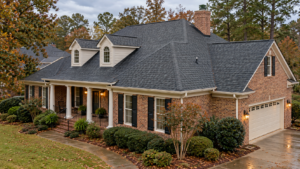
A fall roof inspection in Ridgeland MS is a practical way to identify roofing problems after months of intense summer heat, humidity, thunderstorms, and heavy rainfall.
As temperatures become more comfortable and evenings grow cooler, homeowners have an opportunity to evaluate the condition of their roofs before another season of changing weather.
Mississippi does not experience the same prolonged winter conditions as northern states, but its roofing systems still face significant environmental exposure.
Long periods of sunlight, heavy rain, strong winds, and high humidity can affect roofing materials over time. Cooler nights do not automatically cause damage, but seasonal changes offer a useful reminder to inspect areas that may have weakened during summer.
A roof that looks fine from the driveway may still have lifted shingles, damaged flashing, clogged gutters, or moisture problems around vents and attic spaces.
In this guide, Pro-Shield Roofing & Construction explains what Ridgeland homeowners should check this fall, which warning signs deserve attention, and when to schedule a professional roof inspection in Mississippi.
Quick Answer: What Should Ridgeland Homeowners Check on Their Roof This Fall?
Before temperatures drop further, Ridgeland homeowners should check visible roofing materials, drainage components, roof penetrations, and accessible attic areas for signs of wear or moisture.
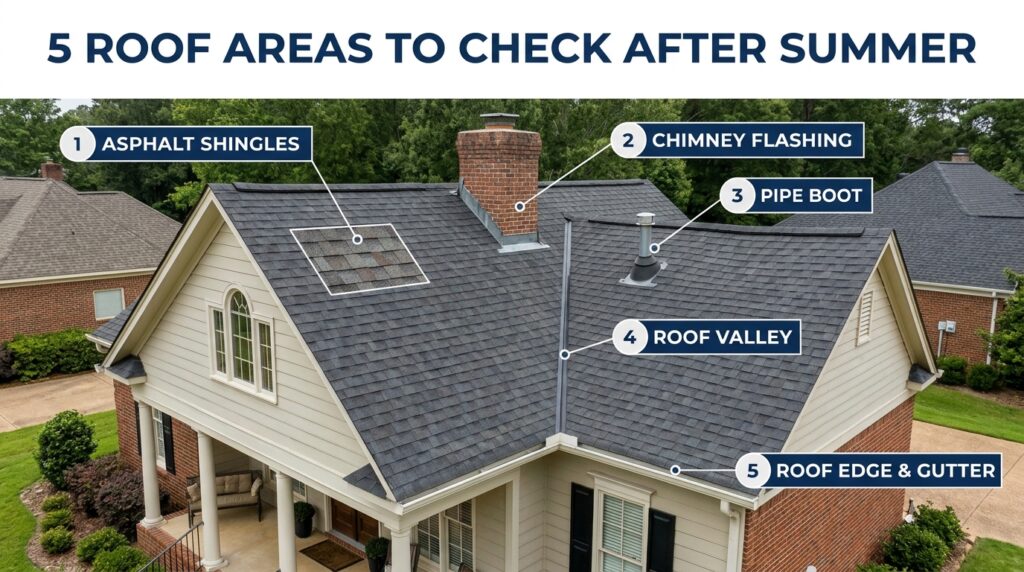
Important areas include:
- Cracked, curling, lifted, or missing shingles
- Loose flashing around chimneys and roof intersections
- Damaged plumbing vent boots
- Clogged gutters and blocked downspouts
- Debris collecting in roof valleys
- Water stains on ceilings or attic framing
- Damp or deteriorated insulation
- Blocked attic ventilation openings
- Overhanging tree branches
- Unresolved damage from summer thunderstorms
These checks can help identify potential problems, but they do not replace a professional evaluation when visible damage or recurring leaks are present.
Homeowners should inspect from the ground or safely accessible interior areas rather than walking on the roof.
Why Cooler Fall Nights Matter for Ridgeland Roof Maintenance
Mississippi has a humid subtropical climate characterized by long, hot summers, relatively mild winters, and precipitation throughout the year.
According to Mississippi State University’s State Climatologist, summer heat, humidity, and thunderstorms are important features of the state’s climate.
After several months of exposure, roofing components may show signs of ordinary aging or damage from previous weather events.
Do Cooler Nights Damage Asphalt Shingles?
Not by themselves.
Asphalt shingles are manufactured to withstand normal seasonal temperature changes.
However, shingles that are already cracked, poorly sealed, or damaged may be more vulnerable to wind-driven rain and continued weather exposure.
Seasonal temperature changes can also reveal problems with materials that have deteriorated over time, including some roofing sealants and flexible components.
The important question is not simply whether nighttime temperatures are falling.
It is whether the roof has existing weaknesses that require attention.
1. Check Asphalt Shingles After a Long Mississippi Summer
Asphalt shingles are common on homes throughout Ridgeland and surrounding Central Mississippi communities.
These materials protect the roofing system from normal sunlight and precipitation, but long-term weather exposure gradually affects their condition.
Shingle Warning Signs
Curling edges
Shingles with raised or curled corners may show age-related deterioration or other roofing concerns.
Cracked shingles
Visible cracking can develop as roofing materials weather and lose flexibility.
Missing shingles
Strong winds may remove shingles and expose underlying protective layers.
Lifted shingles
A weakened seal or damaged fastener may allow a shingle edge to rise.
Excessive granule loss
Large amounts of granules collecting in gutters may indicate wear, although some shedding can be normal.
Should Every Damaged Shingle Be Replaced?
Not every roofing problem requires a full roof replacement.
If damage affects only a limited section and the surrounding materials remain serviceable, localized repairs may be appropriate.
However, widespread deterioration across several roof slopes may require a more detailed inspection.
Homeowners can explore Pro-Shield’s roofing services to learn about inspection, repair, and replacement options.
2. Inspect Roof Flashing Around Chimneys and Roof Connections
Roof flashing helps protect vulnerable areas where roofing materials meet chimneys, walls, valleys, and other building features.
These connections need to remain properly installed and watertight because they interrupt the continuous shingle surface.
Over time, flashing can become loose or deteriorated.
Common Flashing Warning Signs
- Raised or separated metal flashing
- Visible gaps near chimney connections
- Cracked or deteriorating sealant
- Rust or corrosion on exposed metal
- Water marks near roof-to-wall intersections
- Recurring leaks after heavy rainfall
Why Does Flashing Matter During Fall?
Rainwater can enter through compromised flashing even when the surrounding shingles look healthy.
Because water may travel along framing or roof decking, an interior stain does not always appear directly beneath the original opening.
A professional roof inspection can help identify the source before repairs begin.
3. Look for Aging Pipe Boots and Roof Vent Problems
Plumbing vents and exhaust vents are necessary parts of a home’s roofing and ventilation systems.
However, each penetration requires appropriate flashing and weatherproofing.
Some plumbing vent assemblies include rubber boots that may deteriorate over time from sunlight, aging, and weather exposure.
What Should Homeowners Look For?
- Cracked rubber around plumbing pipes
- Loose metal flashing
- Damaged vent covers
- Displaced roof accessories
- Visible gaps around roof penetrations
- Water stains near attic vent openings
A small opening around a vent may allow moisture to enter during heavy rainfall.
Not all ventilation components use the same sealing methods, so repairs should follow the appropriate roofing system and manufacturer requirements.
4. Check Gutters and Downspouts for Seasonal Debris
Many homes in Ridgeland are surrounded by mature trees and landscaped yards.
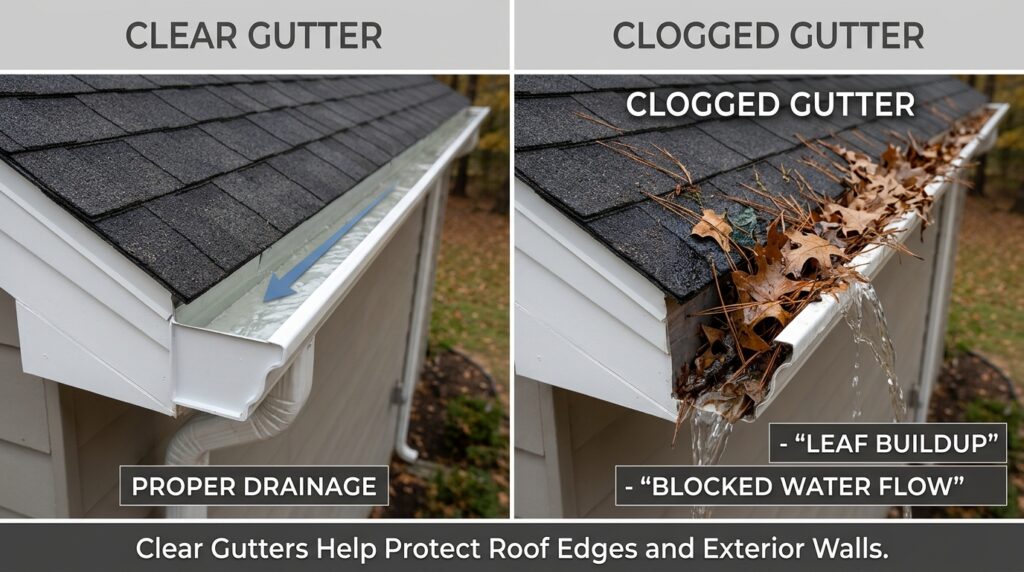
Leaves, twigs, pine needles, and other debris can accumulate inside gutters and downspouts throughout the year.
Even without significant snowfall, proper roof drainage remains important during Mississippi’s rainy conditions.
Warning Signs of Gutter Problems
- Water overflowing during rainfall
- Leaves collecting around downspout openings
- Sagging gutter sections
- Standing water inside gutters
- Moisture stains on fascia boards
- Water pooling near the foundation
When gutters cannot drain normally, water may overflow near roofing edges and exterior walls.
This does not mean every gutter blockage causes a roof leak. However, drainage issues can contribute to moisture concerns elsewhere around the home.
Mississippi State University Extension includes gutter cleaning as part of seasonal home preparation.
5. Evaluate Attic Moisture as Nights Become Cooler
Cooler fall nights can create conditions in which warm, moist indoor air contacts colder attic surfaces.
If a surface temperature falls below the air’s dew point, condensation may occur.
However, condensation does not automatically develop every time outdoor temperatures fall.
The amount of indoor moisture, air leakage, insulation, ventilation, and surface temperature all influence the risk.
Attic Warning Signs
- Damp insulation
- Unexplained dark staining on roof decking
- Condensation on cold surfaces
- Persistent musty odors
- Moisture around roof penetrations
- Water marks on attic framing
Is Attic Moisture Always a Roof Leak?
No.
Water entering through damaged flashing or shingles can create damp attic materials.
However, warm, humid air escaping from living spaces or leaky ductwork can also contribute to condensation under suitable conditions.
The U.S. Department of Energy’s Building America Solution Center explains how air leakage, indoor moisture, and cold surfaces can interact to create condensation problems.
Accurate diagnosis matters because roofing leaks and attic condensation may require different solutions.
6. Review Attic Ventilation and Insulation Conditions
Roof ventilation and insulation influence how a home’s roof assembly performs.
During Mississippi’s hot summers, appropriate attic insulation helps reduce unwanted heat transfer into conditioned rooms.
During cooler periods, the building assembly also needs to manage heat and moisture appropriately.
What Should Homeowners Check?
- Blocked soffit vents
- Insulation covering intended ventilation pathways
- Damaged or displaced attic insulation
- Signs of moisture near roof decking
- Gaps around attic access openings
- Evidence of disconnected or leaking ducts
Mississippi State University Extension includes attic ventilation and duct insulation among considerations for household energy conservation.
Does Adding More Roof Vents Solve Moisture Problems?
Not necessarily.
Different roofing systems require different ventilation and moisture-control strategies.
Installing additional vents without evaluating the roof design, insulation, and air leakage may not address the actual problem.
A qualified professional can determine whether repairs, air sealing, insulation improvements, or ventilation changes are appropriate.
7. Inspect Roof Valleys and Areas Around Overhanging Trees
Roof valleys receive water from multiple roof slopes, making drainage important.
During summer thunderstorms, branches and debris may collect in valleys or become trapped near roof intersections.
As fall progresses, additional leaves may cover these areas.
Signs That Need Attention
- Heavy debris accumulation
- Twigs lodged between shingles
- Wet leaves covering valley flashing
- Visible damage near roof intersections
- Recurring moisture after heavy rainfall
- Branches rubbing against roof materials
Mature trees can also create problems when large branches hang over the home.
Tree trimming should be handled by qualified professionals when branches are elevated or near electrical lines.
Do not climb onto a wet or steep roof to remove debris.
8. Look for Hidden Roof Leaks Inside Your Home
A roofing problem does not always produce obvious exterior symptoms.
Sometimes the first warning sign appears indoors.
Water may enter through damaged flashing, roof penetrations, or shingles and travel along concealed materials before reaching finished ceilings.
Interior Warning Signs
Brown or yellow ceiling stains
These may indicate past or active moisture exposure.
Peeling or bubbling paint
Recurring moisture can affect painted surfaces.
Damp drywall
Soft or wet drywall may indicate an active problem.
Musty odors
Persistent odors may suggest excess moisture in enclosed spaces.
Staining around chimneys
This may result from flashing, masonry, condensation, or another building-envelope problem.
What Should You Do?
Document the warning signs and note whether they change following rainfall.
Do not assume that repainting a stain will solve the underlying problem.
A professional inspection can help determine whether the source involves the roof or another part of the home.
Pro-Shield’s professional roof inspection services can help homeowners evaluate visible roofing concerns.
9. Did Summer Storms Leave Damage You Haven’t Noticed Yet?
Ridgeland homes may experience strong thunderstorms, wind, hail, and heavy rain during summer.
Not every storm causes roofing damage.
However, wind-lifted shingles, damaged flashing, and displaced roof accessories may remain unnoticed until later rainfall exposes a problem.
Storm-Related Warning Signs
- Missing shingles
- Lifted or torn shingle tabs
- Dented roof accessories
- Damaged flashing
- Loose gutters
- Roofing debris in the yard
- New interior stains following storms
Hail exposure or dents on metal accessories do not automatically prove that shingles are damaged.
A professional evaluation should consider the condition of the actual roofing materials.
For Central Mississippi homeowners, Pro-Shield’s roofing service overview explains available inspection and repair options.
10. How to Prioritize Roof Problems This Fall
After checking the roof and interior, homeowners should decide whether routine maintenance or professional assistance is appropriate.
Routine Maintenance
Appropriate when roofing materials appear sound and the primary concerns involve minor debris or ordinary seasonal upkeep.
Examples:
- Light gutter debris
- Small amounts of leaves near roof edges
- No known active leaks
- No visible roofing damage
Schedule a Roof Inspection
Recommended when homeowners notice:
- Several lifted or cracked shingles
- Loose flashing
- Recurring ceiling stains
- Moisture around vents
- Suspected storm damage
- Repeated drainage problems
Seek Prompt Professional Assistance
More urgent concerns include:
- Active water entering the home
- Bulging or deforming ceilings
- Newly sagging rooflines
- Suspected structural instability
- Water near electrical fixtures
Avoid unsafe areas and contact qualified professionals if immediate hazards are present.
11. Should You Repair or Replace Your Roof Before Cooler Weather?
A roof that shows some signs of wear does not automatically need replacement.
The appropriate solution depends on the condition of the entire roofing system and whether damage is localized or widespread.
When Roof Repair May Be Appropriate
- A small area of shingles is damaged.
- One pipe boot needs replacement.
- Flashing requires localized correction.
- A specific leak source has been identified.
- Surrounding materials remain in good condition.
When Roof Replacement May Be Worth Considering
- Shingle deterioration affects multiple roof sections.
- Several areas have repeated leaks.
- Storm damage is widespread.
- The roof has extensive material deterioration.
- Underlying decking requires significant work.
Homeowners should avoid replacing an otherwise functional roof solely because fall temperatures are changing.
Pro-Shield offers roof installation and replacement services for properties where more extensive roofing work may be appropriate.
A professional inspection helps determine the most reasonable next step.
Fall Roofing Considerations Around Ridgeland and Central Mississippi
Roofing conditions differ across Ridgeland neighborhoods and surrounding communities.
Home age, roofing material, surrounding trees, storm exposure, and drainage design all affect what maintenance may be necessary.
These seasonal roof inspection considerations are relevant to homeowners in:
- Ridgeland, MS
- Madison, MS
- Jackson, MS
- Brandon, MS
- Flowood, MS
- Canton, MS
- Clinton, MS
- Pearl, MS
A property surrounded by mature trees may require additional gutter and roof-valley cleaning.
A home with multiple roof transitions may benefit from closer inspection of flashing and roof penetrations.
A property with previous storm damage may need an evaluation of shingles and roof accessories.
Homeowners can review Pro-Shield’s Central Mississippi roofing services and areas served for more information.
Frequently Asked Questions About Fall Roof Inspections in Ridgeland MS
When should Ridgeland homeowners schedule a fall roof inspection?
Fall is a practical time to evaluate roofing materials after summer heat and storms. A professional inspection is especially useful when homeowners notice damaged shingles, recurring leaks, loose flashing, or signs of storm damage.
Do cooler fall nights damage asphalt shingles?
Normal seasonal temperature changes do not automatically damage properly installed shingles. However, older or previously damaged materials may have weaknesses that deserve evaluation before further rain and wind exposure.
Can high summer temperatures affect roofing materials?
Long-term heat and ultraviolet exposure contribute to the aging of some roofing materials. The severity depends on the product, installation, roof conditions, and other environmental factors.
What are common signs of roof damage after a Mississippi summer?
Missing or lifted shingles, excessive granule loss, loose flashing, damaged vent boots, gutter problems, and recurring interior moisture are signs worth investigating.
Does attic moisture always mean the roof is leaking?
No. Attic moisture may result from roof leaks, condensation, duct problems, plumbing, or other sources. Proper diagnosis is important before selecting repairs.
Should gutters be cleaned during fall in Ridgeland?
Gutters should be checked for significant leaf and debris accumulation. Proper drainage helps direct rainwater away from roof edges and exterior walls.
Can a small roof leak be repaired without replacing the roof?
Often, yes. Localized problems may be repairable when the surrounding roofing system is in good condition. Extensive deterioration or recurring failures may make replacement worth considering.
Should I have my roof inspected after a summer thunderstorm?
An inspection may be appropriate after significant wind, hail, falling debris, or visible storm-related damage. Not every storm causes roofing damage, but some problems are difficult to identify from the ground.
Does Pro-Shield Roofing serve Ridgeland, Mississippi?
Yes. Pro-Shield Roofing & Construction provides residential and commercial roofing services in Ridgeland and surrounding Central Mississippi communities, including inspections, repairs, and roof installations.
Conclusion: Check Your Ridgeland Roof Before Fall Weather Changes Further
A fall roof inspection in Ridgeland MS gives homeowners an opportunity to evaluate roofing conditions after a long Mississippi summer.
Cooler nights do not automatically cause roof damage, but seasonal changes provide a useful reminder to check shingles, flashing, gutters, vents, and attic moisture.
Most importantly, homeowners should recognize the difference between routine maintenance needs and actual roofing defects.
Addressing confirmed problems early can help protect the home from additional moisture exposure and reduce the need for more complicated repairs later.
Not sure whether your Ridgeland roof needs attention this fall?
Explore Pro-Shield Roofing & Construction’s professional roofing services, schedule a roof inspection, or contact the team to discuss your roofing concerns.
You can also call (601) 265-1786 to get started.